What Is the Best Garage Insulation?

As we approach summer, cooling off in the pool and cooking out in the backyard are probably on your mind. But what about staying comfortable inside? After spending a fun day outdoors in the sun, you undoubtedly cherish the cool comfort of your air conditioned home—but not if it your bills keep rising for seemingly no reason!

If this sounds familiar, you may need more insulation. The attic is a good place to start—but don’t overlook other areas of your house that could benefit from insulation, including the garage.

How to Insulate a Garage

According to the U.S. Department of Energy, all exterior walls, including unheated garages, should be insulated—and so should floors above cold spaces, such as unheated garages. When insulating floors above unconditioned garages, all possible sources of air leakage should be sealed. This also helps prevent contaminants (from car exhaust, paint, solvents, gardening supplies, etc.) in the garage from going into the conditioned living spaces. An air barrier should be installed as well to help prevent cold air in the garage from “short circuiting” the insulation under the subfloor.

What Is the Best Insulation for Garages?

Two materials often used for garage door insulation (ceilings, doors and floors) include:

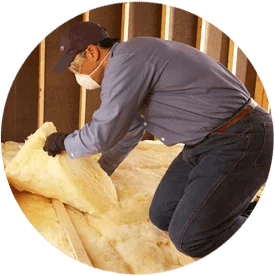
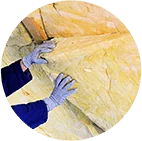
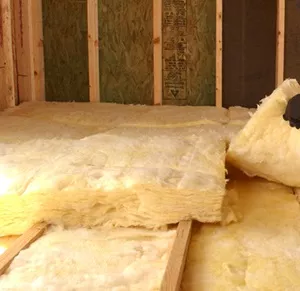
  • Batt insulation: Batt insulation comes in pre-cut panels and is typically made of fiberglass. It’s one of the most common forms of insulation available.
  • Foam board: Frequently used in new construction projects, rigid foam insulation is an effective insulator and can help maximize energy efficiency.

These aren’t the only materials used to insulate garages and may not necessarily be the best solution for your home and garage space. Talk to a Big City Insulation of Idaho professional about your specific project. We offer batt and blown-in insulation to meet a variety of needs.

Whether you want to transform the seldom-used garage into a studio or other space, insulate a newly built addition with a garage or it’s just drafty and uncomfortable in your house, insulation is vital. Insulating the garage help:

  • Lower home heating and cooling bills
  • Improve comfort in the garage
  • Allow for heating and cooling
  • Reduce outside noises
  • Enhance the interior space

Contact us today to start living more comfortably and saving money all year round!
Why Is My Insulation Wet?

Winters in the Boise area bring not only extremely cold temperatures but also inclement weather at times. The good news is, there are many ways to stay comfortable without breaking the bank. One such home solution is insulation.

But this goes beyond simply installing a sufficient amount. It must be in top condition to effectively perform and keep your home comfortable (and energy-efficient). The bad news? The inclement weather we mentioned often means rain and snow. And when insulation gets wet, it doesn’t perform the way it’s supposed to.

Causes of Wet Insulation

It’s important to make sure your insulation stays nice and dry, not only in the winter but all year long. How does insulation get wet? There are several different ways your insulation can get wet, including:

  • Leaks from the roof and/or plumbing pipes
  • Ground moisture (basement and crawl space insulation)
  • Air infiltration from windows, doors, gaps in siding, etc.
  • Mold (spores can enter through air infiltration)
  • Snow (it can be blown into the attic through a vent)

What Should I Do with Wet Insulation?

Should wet insulation be replaced? Is wet insulation completely ruined? These are questions many homeowners have. Enough moisture can ruin insulation materials; wet insulation should be removed and replaced. If your insulation is merely a little damp, removal may not be worth it. It’s best to have a professional take a look. There are times when new insulation can be added over old layers, but moldy, wet or otherwise damaged insulation should be removed.

Contact Big City Insulation of Idaho to learn more or to schedule insulation removal and replacement for your home!

Best Attic Insulation: Blown-In vs. Foil

Do you need to insulate your home? The attic is probably the first place that comes to mind. But what materials should be installed? What type(s) of attic insulation do you need?

There are two different types of insulation commonly installed in attics:

Blown-in Insulation

Loose-fill Cellulose & Fiberglass

For attics, blown-in, or loose-fill, insulation is often used. This includes fiberglass and cellulose. This thermal insulation can be installed in the floors and walls. Blown-in insulation offers a number of benefits. It can help:

  • Lower your energy bills
  • Reduce noises between different levels of your home (ideal if you use your attic as a bedroom)
  • Make your home more comfortable
  • Improve the efficiency of your HVAC systems
  • Contribute to a healthier environment

Radiant Barrier Insulation

Radiant barrier, or foil insulation, works a little differently. It’s installed in the attic ceiling, right below your roofing. Radiant barriers work by helping your home reflect, rather than absorb, heat from the sun. However, they are not often installed in Idaho homes and are more practical in hotter climates such as Florida.

For climates like ours, a combination of different thermal insulation (such as loose-fill cellulose and batt fiberglass) can be more cost-effective.

Attic Insulation Contractors Serving the Boise Area

Do you need attic insulation for your home in Boise or a surrounding area? We install high-quality fiberglass and cellulose insulation. Contact Big City Insulation of Idaho today!

How Important Is Underfloor Insulation?

There are many things in your home that are out of sight, out of mind and you don’t think about them until a problem arises. Insulation is one example of this! If your energy bills have been on the rise without usage increase, you may need more home insulation. The attic is an obvious place to start, but did you know you can also insulate floors, subfloors and crawl spaces?

Should I Insulate Under My Floor?

Floors above cold spaces—like vented crawl spaces and unheated garages—should be insulated, but don’t forget about under the flooring. This will help ensure maximum energy efficiency for your home.

According to the U.S. Department of Energy, it’s ideal to insulate:

  • Slab floors built directly on the ground
  • Foundation walls of unvented crawl spaces (as an alternative to floor insulation)

An insulated slab is easy to heat, and placing the mass of the slab in your house’s thermal envelope helps keep interior temperatures comfortable. Most slab insulation is done during home construction. While insulating a slab in an existing home can be more expensive and a bit more invasive, it is possible to dig around the perimeter of the house and install insulation, typically foam board. Insulating the exterior edge of a slab can reduce heating bills by 10 to 20 percent in many homes! Foam-in-place insulation can also be blown under floors to help insulate and reduce air leakage.

It’s a good idea to install an air barrier—caulk, foam sealant, etc.—to help prevent cold air in the garage from “short circuiting” the insulation under the subfloor as well.

Underfloor Insulation in Boise

If you’re located in Boise or a surrounding area, call the team at Big City Insulation of Idaho. We offer high-quality floor and underfloor insulation options and have experience with new construction and retrofit projects of all kinds. Contact us today to learn more!

What Is Blanket Insulation and How Does It Work?

All types of home insulations and commercial insulations have protective properties that reduce energy loss and increase comfort. Insulation also lessens the strain on your HVAC system, so this expensive appliance can last its full service life instead of burning out early from overwork.

You can choose from:

“Blanket insulation” is the rolls or batts form of insulation installation.

Learn why Boise contractors prefer Big City Insulation fo Idaho for new-builds and retrofitting. Call 208-322-3522 or contact us online.

Blanket Insulation

Effective and Affordable Blanket Insulation in Boise, ID

Most blanket insulation batts or rolls are made of fiberglass. Fiberglass is a versatile material that is flexible but also strong (like glass). Other materials used in blanket insulation include:

  • Cotton fibers
  • Mineral (rock and slag) wool
  • Plastic fibers
  • Sheep wool fibers

Batts and rolls are available in standard widths for U.S. construction. The blankets are sized to fit between attic trusses and rafters, floor joists and wall studs. An advantage of continuous insulation rolls is they can be cut and trimmed to fit most spaces.

Blanket insulation rolls and batts are available with or without facings. Facings can make handling/fastening insulation blankets easier and prolong the insulation’s effectiveness.

Facings can also act as a radiant barrier, which will enhance thermal resistance. Depending on the type of area, we may use insulation with vapor barrier or air barrier protective properties. Batts with additional flame-resistant facings are also available.

Removing insulation is a messy and time-consuming job, and it’s well worth it to hire a professional who has the proper training and equipment. If the blanket insulation is moldy or pest-infested, you risk getting yourself sick and contaminating your home’s air for the long term.

Most do-it-yourselfers want to save money — don’t we all? — but it doesn’t take long to realize removing and installing insulation is a tough job that requires an experienced technician.

It’s smarter and faster to let the pros manage your insulation project. In the Boise area, call 208-322-3522 or contact Big City Insulation of Idaho.

The Importance of Insulation R-Values

Blanket insulation is often used for:

  • Areas without many obstructions (pipes, wiring, etc.)
  • Between joists, studs and beams
  • Ceilings
  • Floors
  • New construction projects
  • Unfinished walls (including foundation walls)

Blanket insulation can also be used as acoustical and thermal insulation for commercial buildings as well as residences, and is most frequently the material chosen for attic insulation.

Whether you’re heating or air conditioning, heat always flows from warmer to cooler areas. It moves through interior walls, ceilings, floors … anywhere there is a temperature difference that needs to be stabilized.

R-values measure how well insulation can provide thermal resistance to the heat flow. Higher R-value means greater insulation performance and more savings on your monthly heating and cooling bills.

The R-value of fiberglass blanket insulation depends on several factors, but mostly its thickness. Blanket insulation has an R-value of approximately R-2.9 to R-3.8/inch. High-performance fiberglass blankets and batt insulations have R-values between R-3.7 and R-4.3/inch.

Call 208-322-3522 or contact Big City Insulation of Idaho to learn more.

7 Benefits of Blanket Insulation

Ada County and southern Idaho can see weather extremes: winter blizzards and freezes in one season, sweltering summer days in another. Insulation is a necessity for us. Blanket insulation:

  1. Can be used in most types of commercial buildings and residential properties
  2. Enhances interior air comfort and quality
  3. Improves HVAC efficiency
  4. Is usually lower cost than other types of insulation
  5. Lowers monthly energy bills
  6. Reduces noise transmission (see: garage band practice)
  7. Reduces outside noise

We know your time is valuable, and we can deliver materials and experienced, high-quality work while other companies are waiting for supplies.

Call 208-322-3522 or contact Big City Insulation of Idaho for a free estimate.